Learn more about me by scrolling down or clicking here.
Hi there, welcome to my website! I am currently studying Biomedical Engineering at the University of Waterloo. I enjoy building cool things, squash (the sport and the vegetable), student leadership, and first aid. I am passionate about learning and love to get involved with various projects and organizations in my community. Feel free to explore this page to learn more about my experiences and projects! :)
As a Bioinformatics Software Research Student at The Hospital for Sick Children (SickKids), I work at the intersection of machine learning and genomic medicine to support clinical research. I'm developing a predictive ML pipeline integrating demographic, clinical, and MRI data to estimate neurodevelopmental outcomes (cognitive, language, and motor risk) in preterm infants, with the goal of enabling earlier interventions in critical care.
I also contribute to the design and iteration of a protein language model variant effect predictor, where I focus on advancing model interpretability by analyzing attention mechanisms. I'm collaborating with clinicians and researchers to drive impact in pediatric precision medicine.
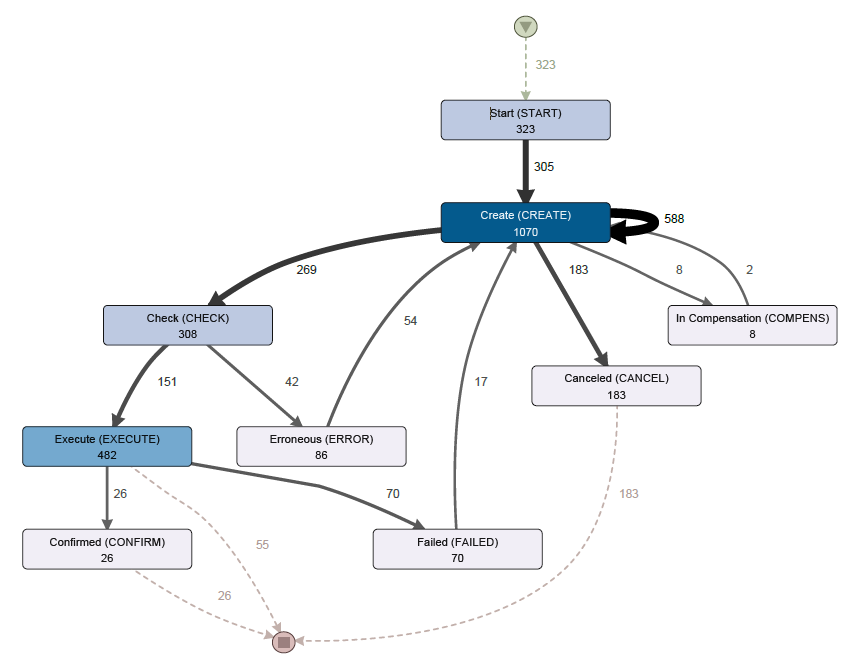
As a Data Science and Process Mining Analyst at Transport Canada, I led two major process mining projects to enhance the efficiency of federal workflows. Using Python-based analytics, I identified bottlenecks in large-scale operational logs and delivered data-driven recommendations to policy and operations teams.
I built a secure and cost-efficient machine learning pipeline to automate classification tasks and reduce administrative burden, while also developing process conformance models and interactive dashboards that enabled stakeholders to act on insights with confidence.
As a Cognitive Engineering Research Intern at the ACE Lab, I focused on improving human interaction with complex systems through cognitive science and usability research. A core part of my work was contributing to the interdisciplinary SENSE-APP project, developed in collaboration with Carleton researchers and the National Research Council (NRC). The project aimed to assess driving risk in older adults using AI and telematics data, then communicate insights back to users to promote safer, longer driving.
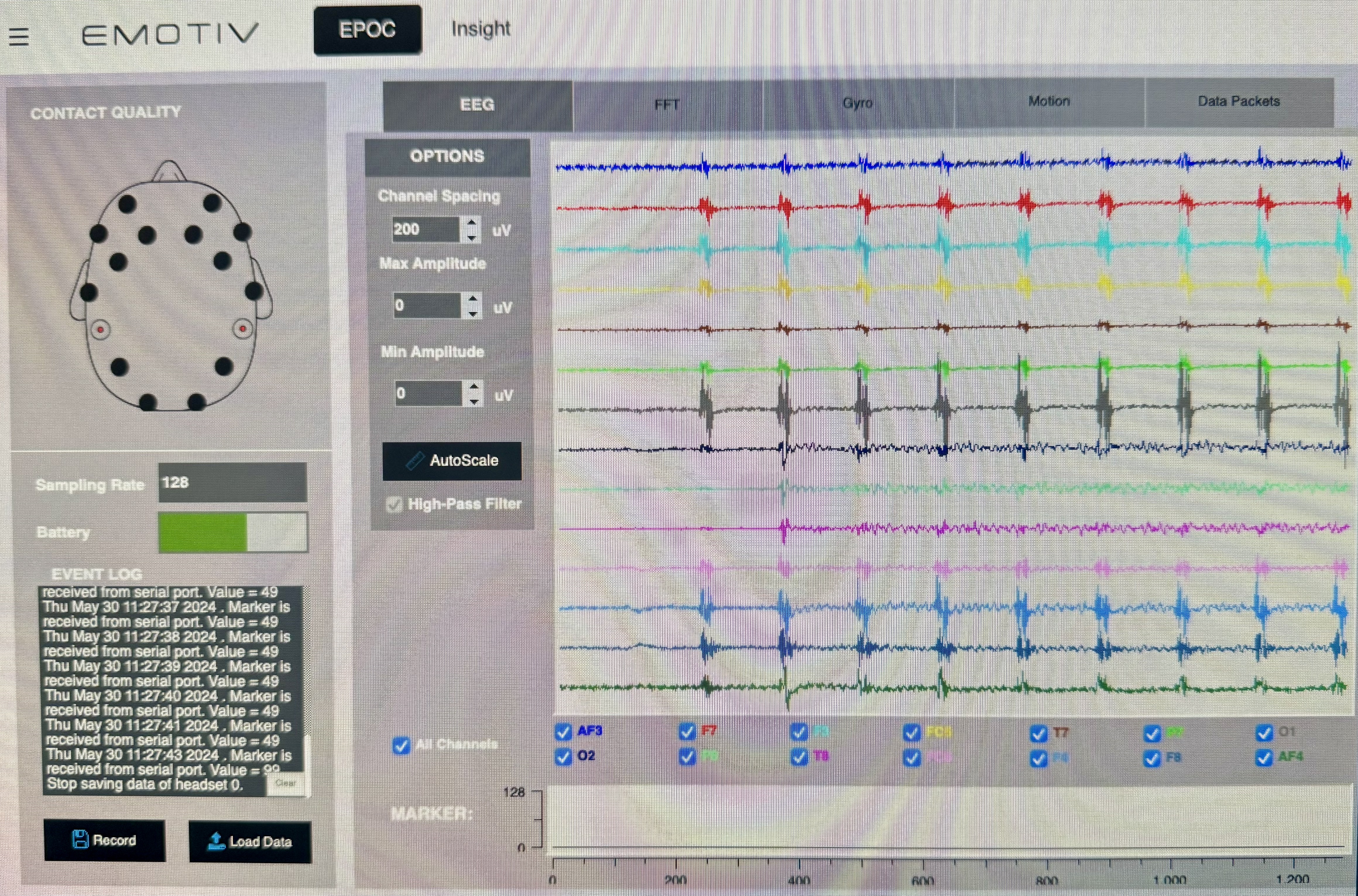
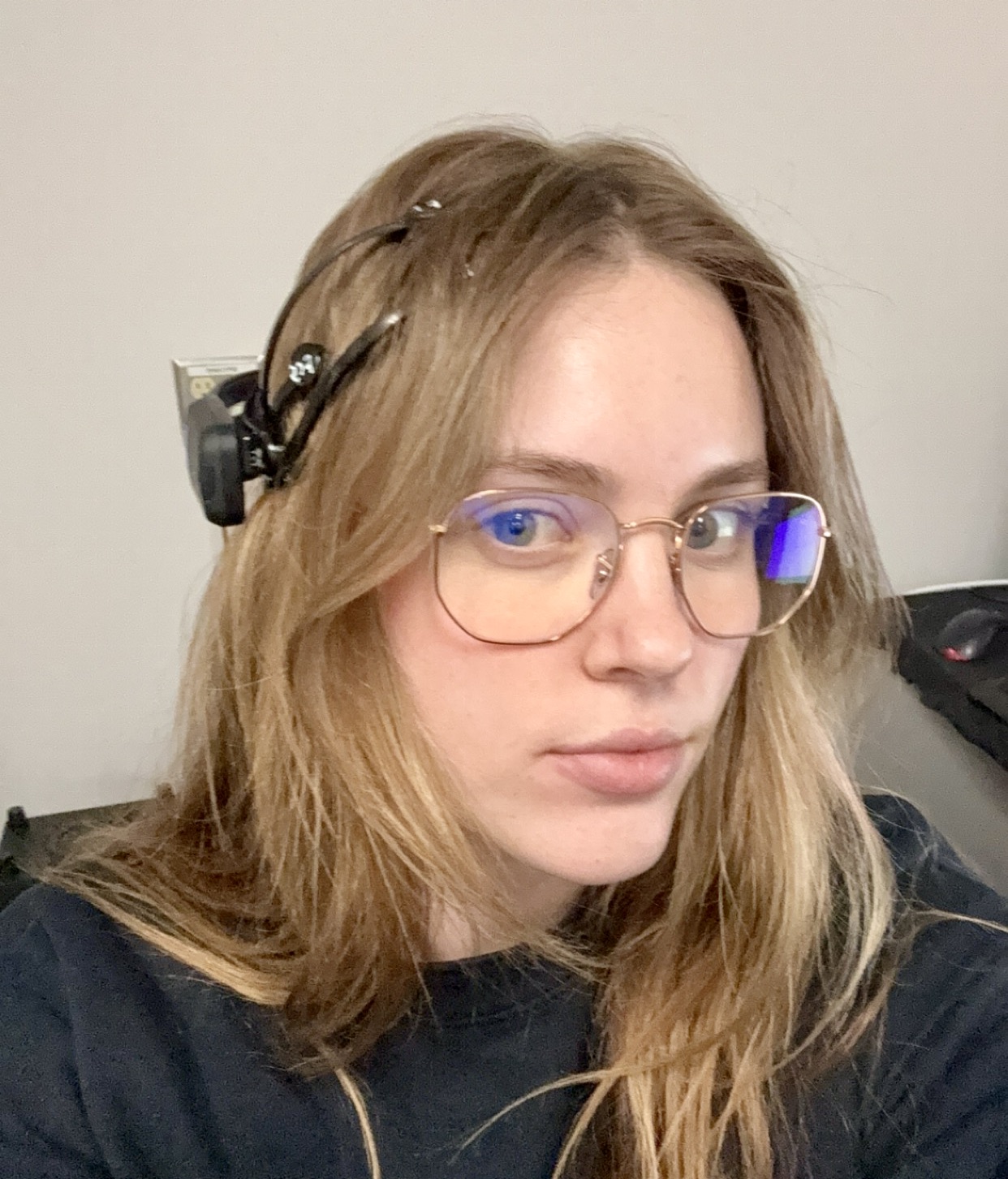
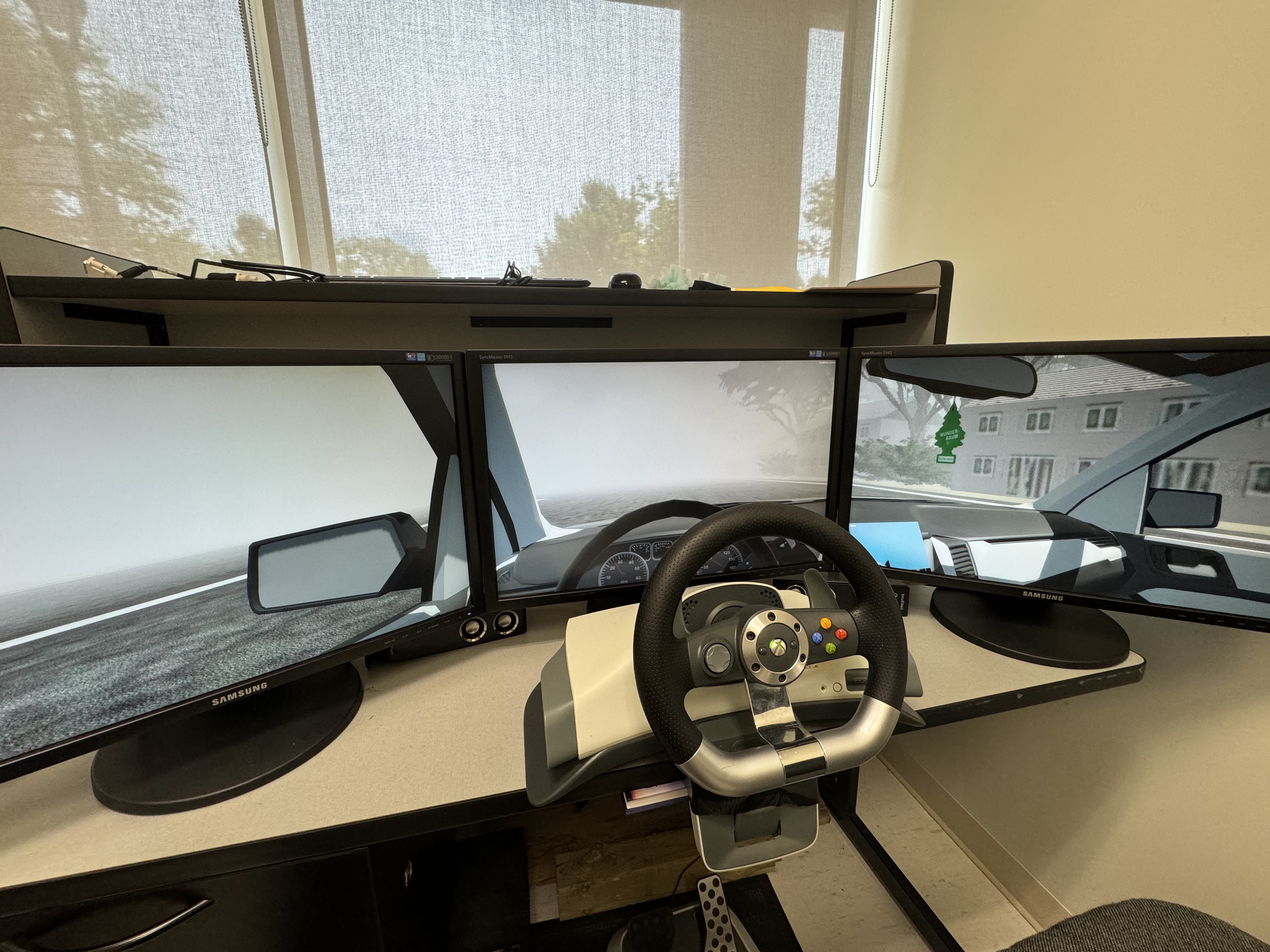
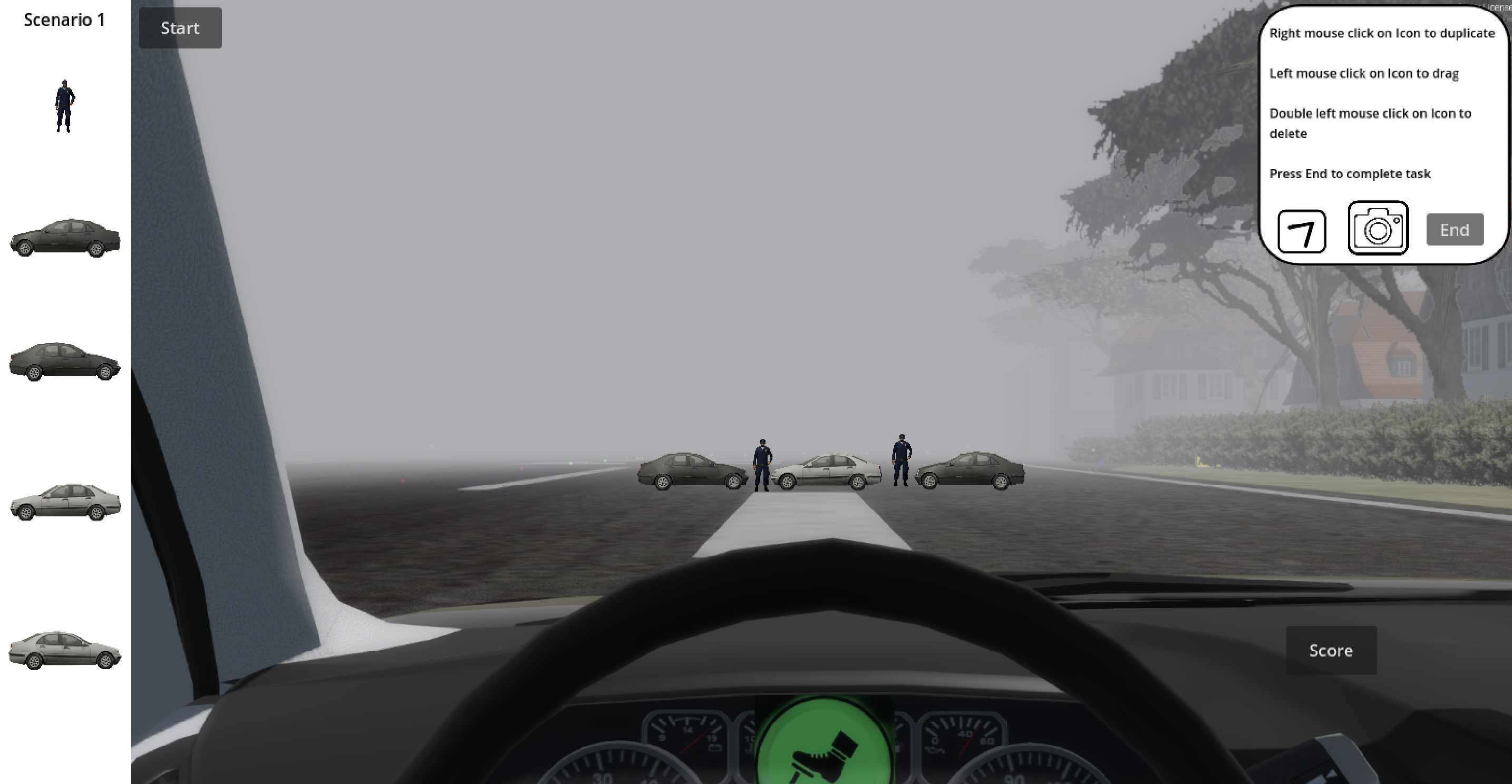
I analyzed qualitative focus group data with QDA Miner, identifying key themes that directly shaped UX/UI design decisions. In parallel, I supported studies on human–machine interaction in autonomous driving, building experimental environments in Prepar3D and coding auditory stimuli for EEG data collection. I also designed a situational awareness task in Godot to evaluate hazard perception in ongoing research.
As a Manager and Assistant Manager from 2022 to 2023, I was responsible for overseeing the daily operations and safety of over 100 patrons, while leading a team of seven aquatic staff. I managed scheduling, training, and financial coordination to ensure the smooth delivery of high-quality community programs.
In addition to leadership responsibilities, I served as a lifeguard, swim instructor, and lifesaving course instructor, managing and delivering aquatic programming for all ages. Recently, I joined the Board of Directors, where I contribute to reopening strategy and the planning of a new facility to support long-term community growth. Learn more on our website.
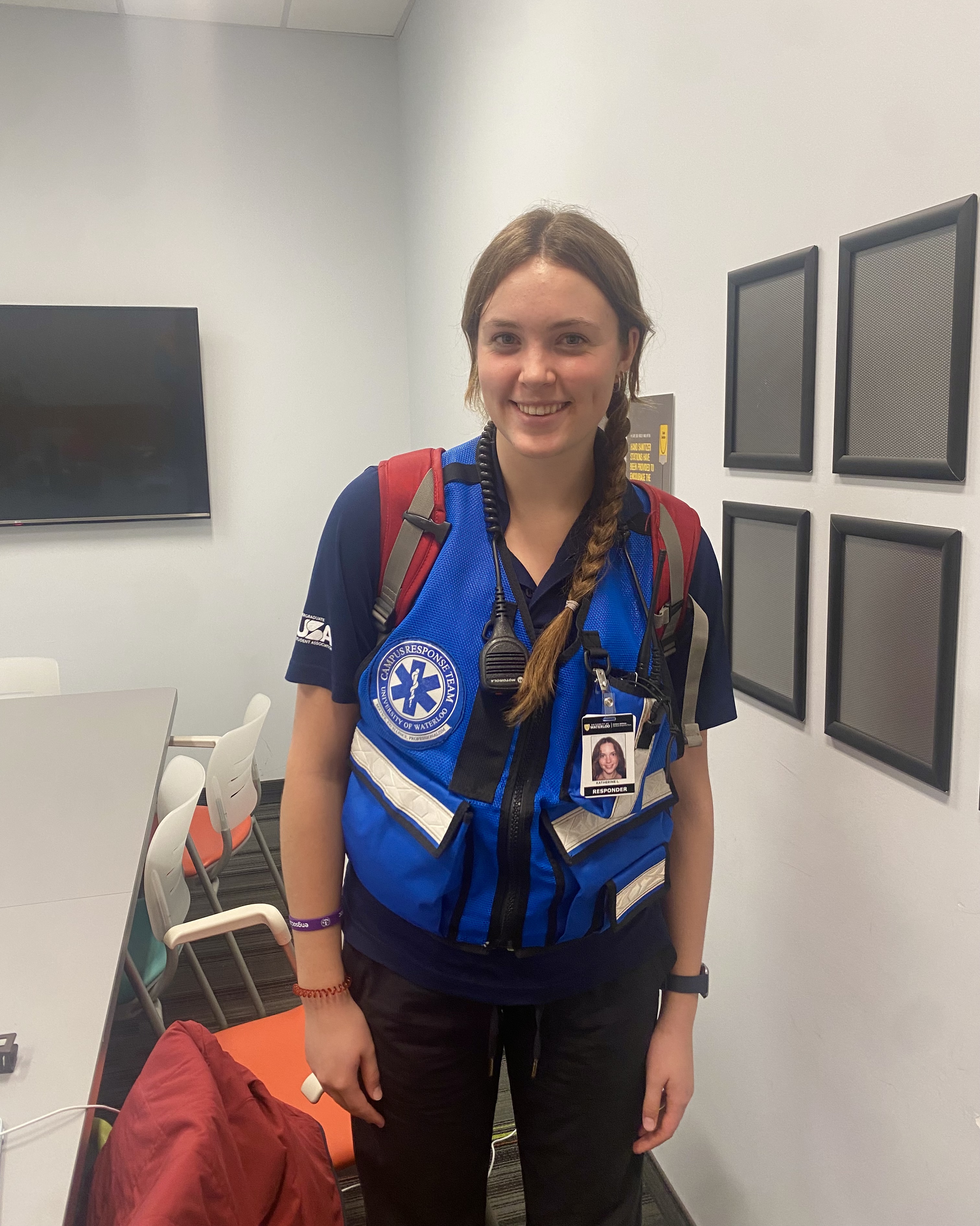
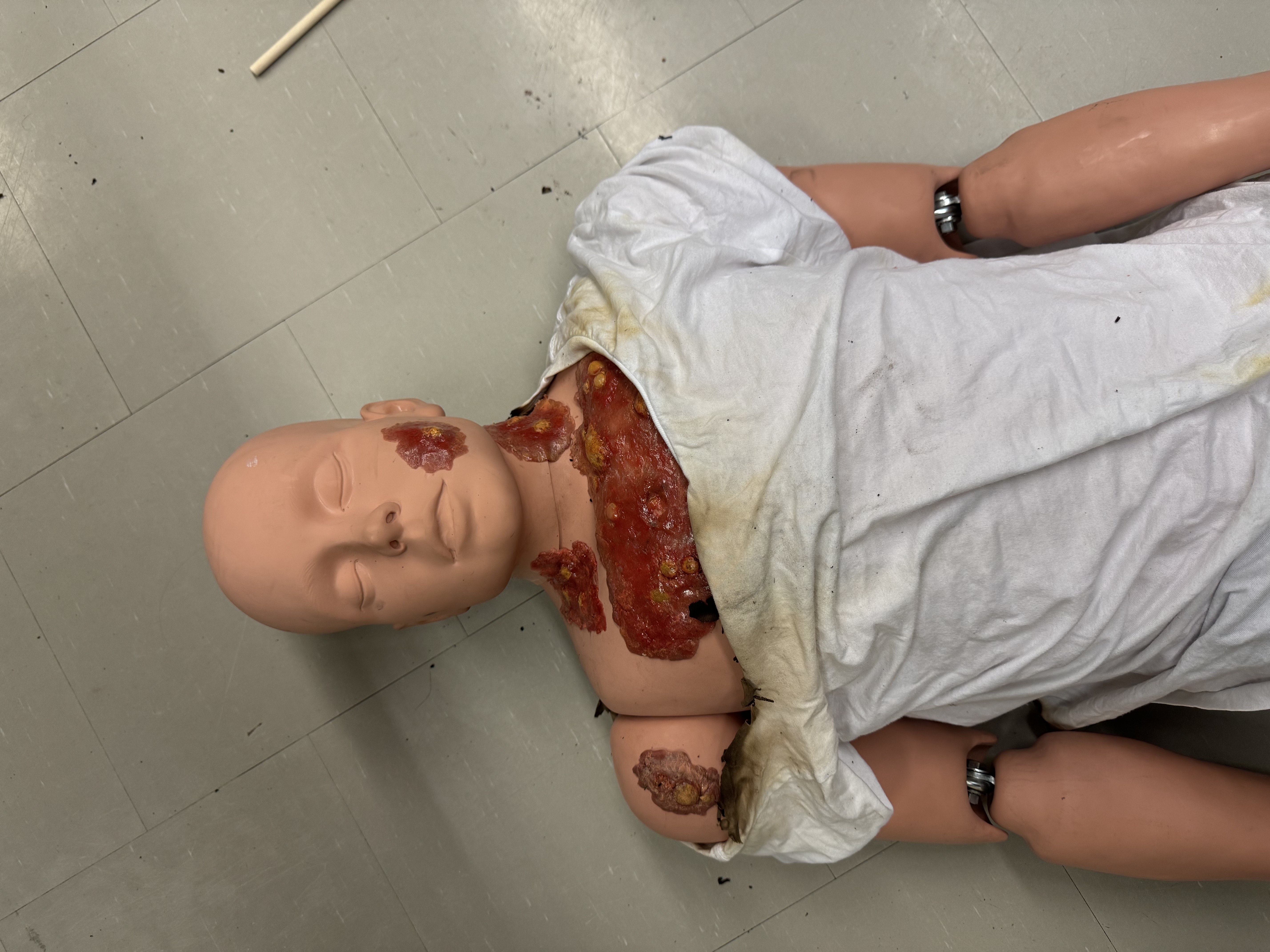
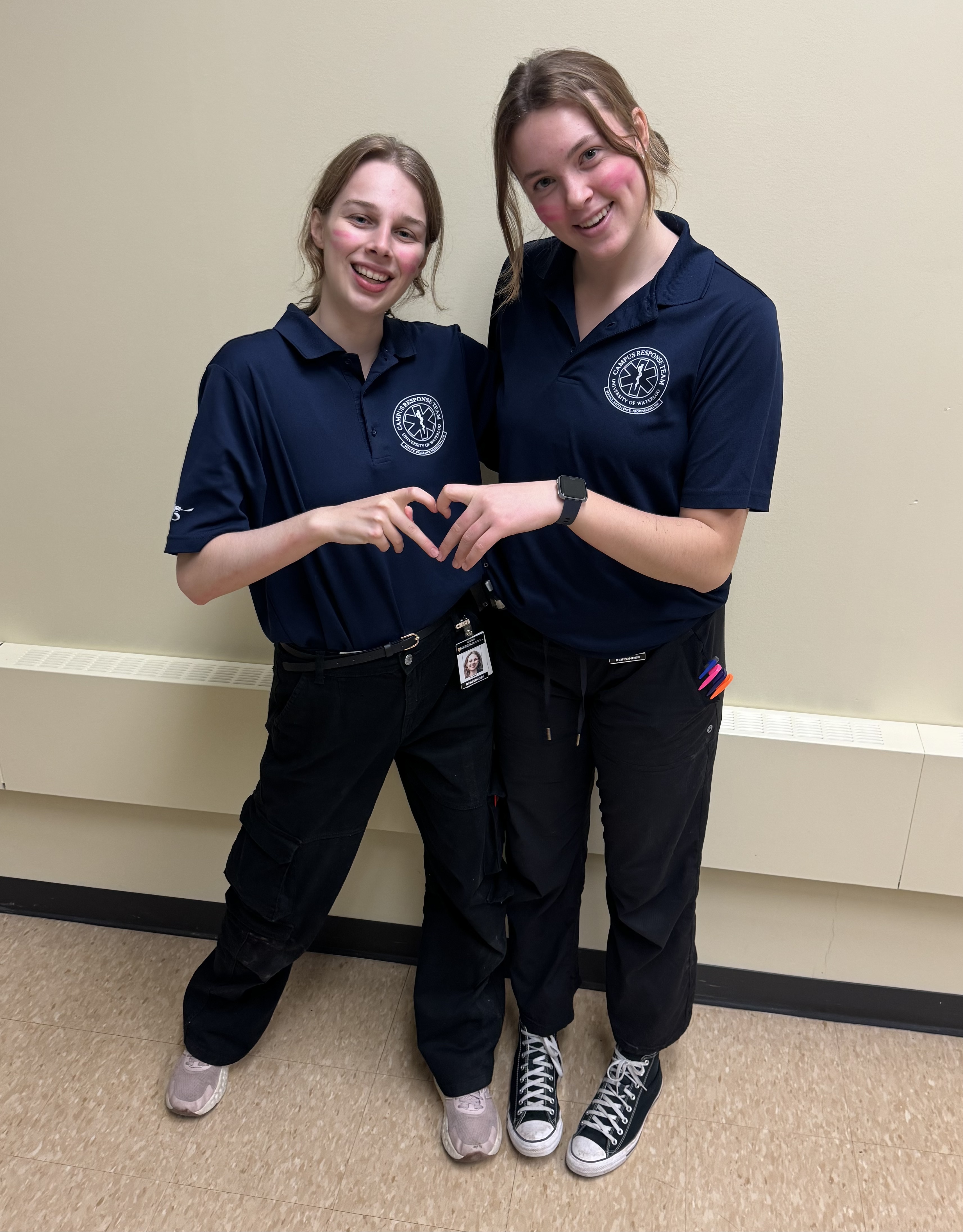
As a Responder with the University of Waterloo Campus Response Team (2023–Present), I support the safety and well-being of the university community by responding to medical and mental health emergencies during shifts and on-call coverage.
In Winter 2024, I served as an Assistant Trainer, running assessment sessions and helping organize training in first aid and crisis management. Through this role, I contributed to strengthening the team’s readiness and overall emergency response capabilities.
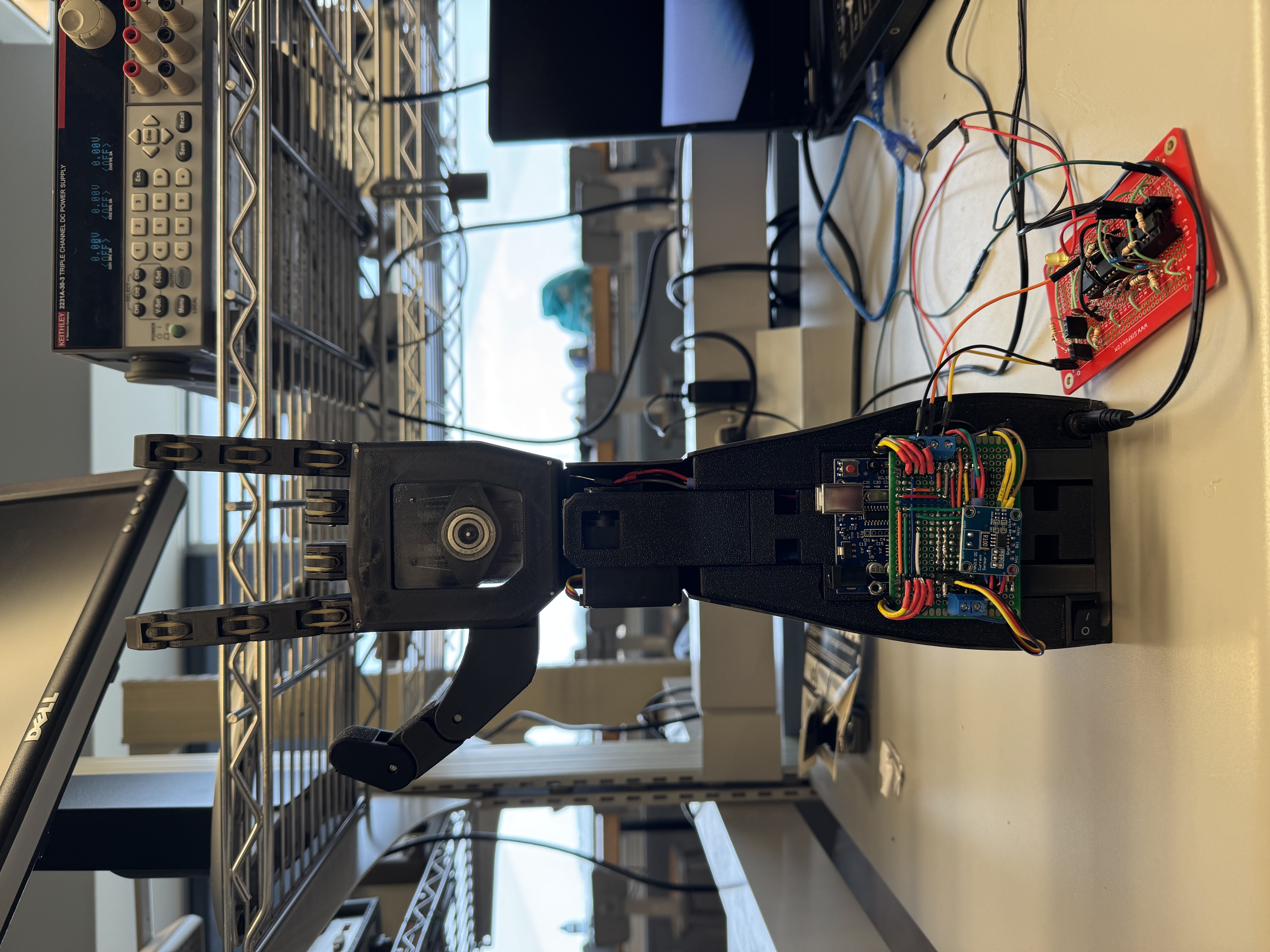
As part of a three-person team, I engineered a low-cost myoelectric prosthetic hand capable of real-time grasp and object manipulation using forearm EMG signals. I designed and implemented the electrical system and signal processing pipeline, amplifying, filtering, and digitizing weak EMG signals through an Arduino to enable responsive control.
The mechanical design involved a tendon-driven whippletree mechanism that ensured even force distribution across fingers, enhancing dexterity and grip stability. Watch demo
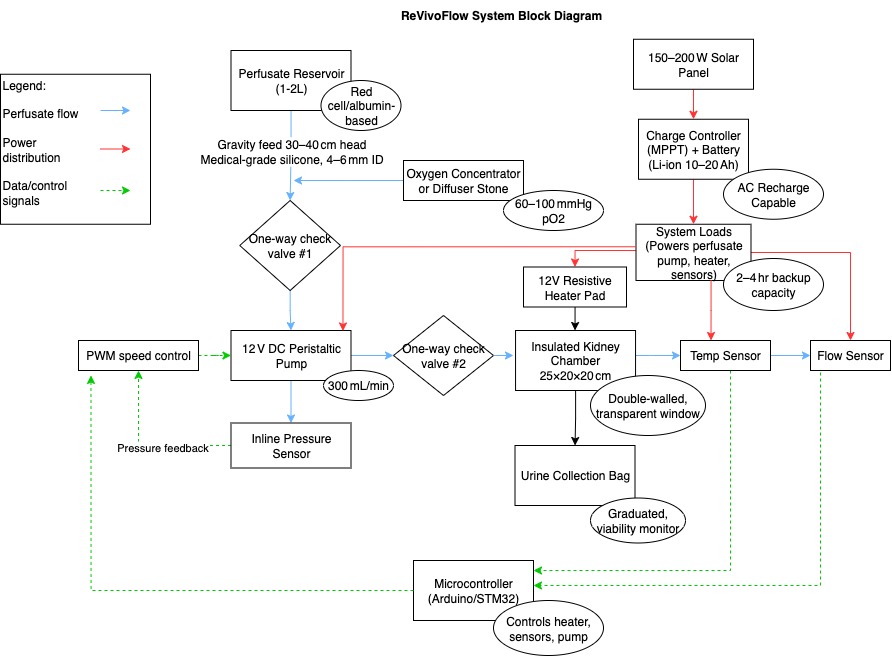
Developed a low-cost, off-grid kidney preservation system designed for low-resource settings, with the goal of improving transplant equity through accessible normothermic perfusion, during a 6 hour competition. The design included a hybrid flow system combining gravity-assisted perfusion, DC peristaltic pumping, and feedback control to sustain organ viability without reliance on traditional infrastructure.
This project was awarded 2nd Place at the Waterloo Bioengineering Competition, recognized for its practical innovation and potential real-world impact.
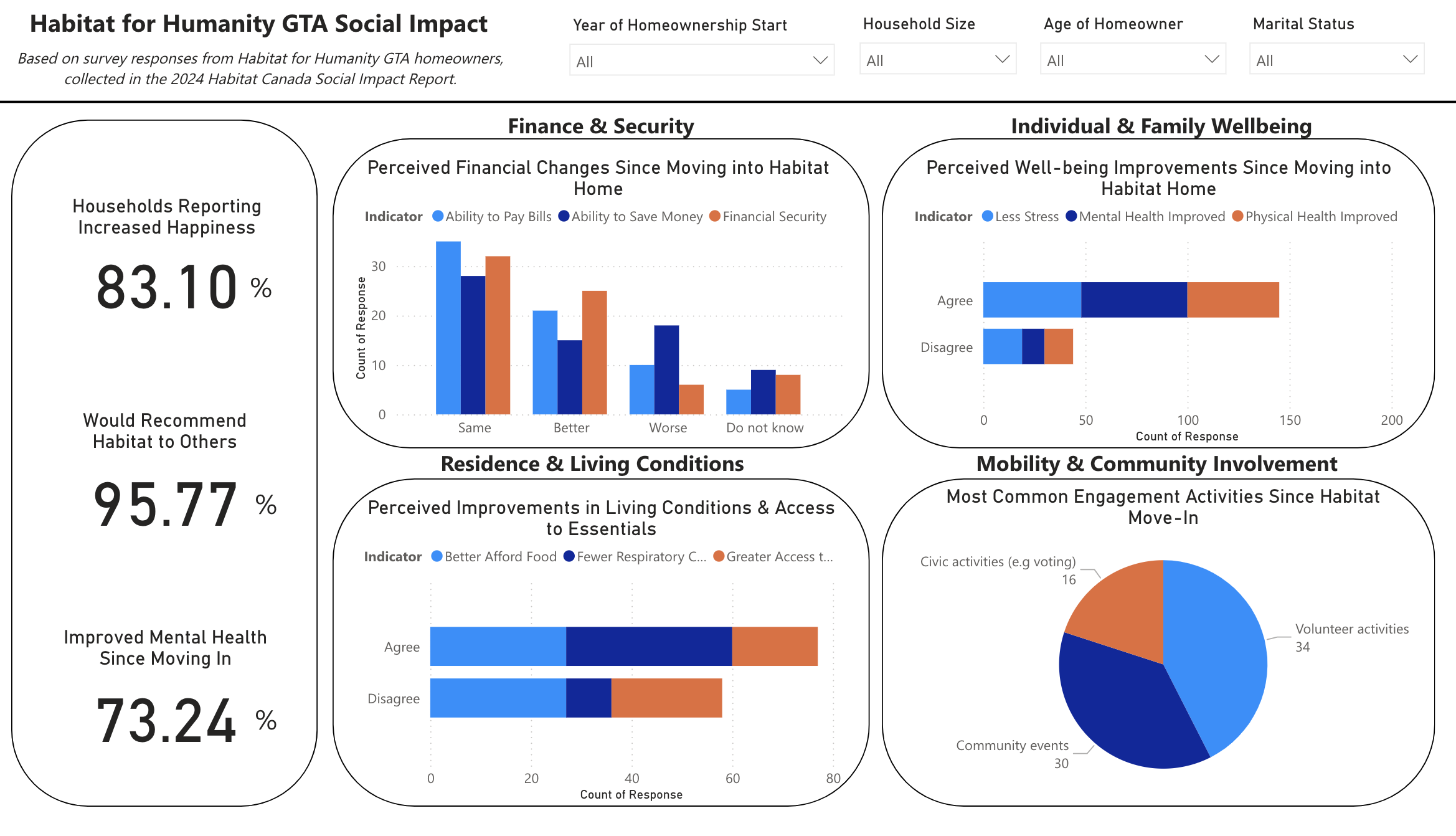
Collaborated with Habitat for Humanity GTA to develop a quantitative impact framework aimed at measuring and improving program effectiveness. I analyzed intake and update datasets to identify key performance metrics, helping the organization better understand community needs and outcomes.
I also designed and implemented an interactive dashboard to enable data-driven decision-making across teams, making insights more accessible to stakeholders. Recognized with 1st Place for impact and innovation.
Designed an interactive situational awareness task for a psychology experiment, built in the Godot game engine using GDScript. The task features automated scoring, participant event logging, and dynamic scene interactions to assess recall and hazard perception.
Created for research in human cognition, the tool is used to gather behavioral data in controlled studies. Try it out here. Note: When run locally through Godot, data and screenshots are stored on the device. Example outputs can be viewed here.
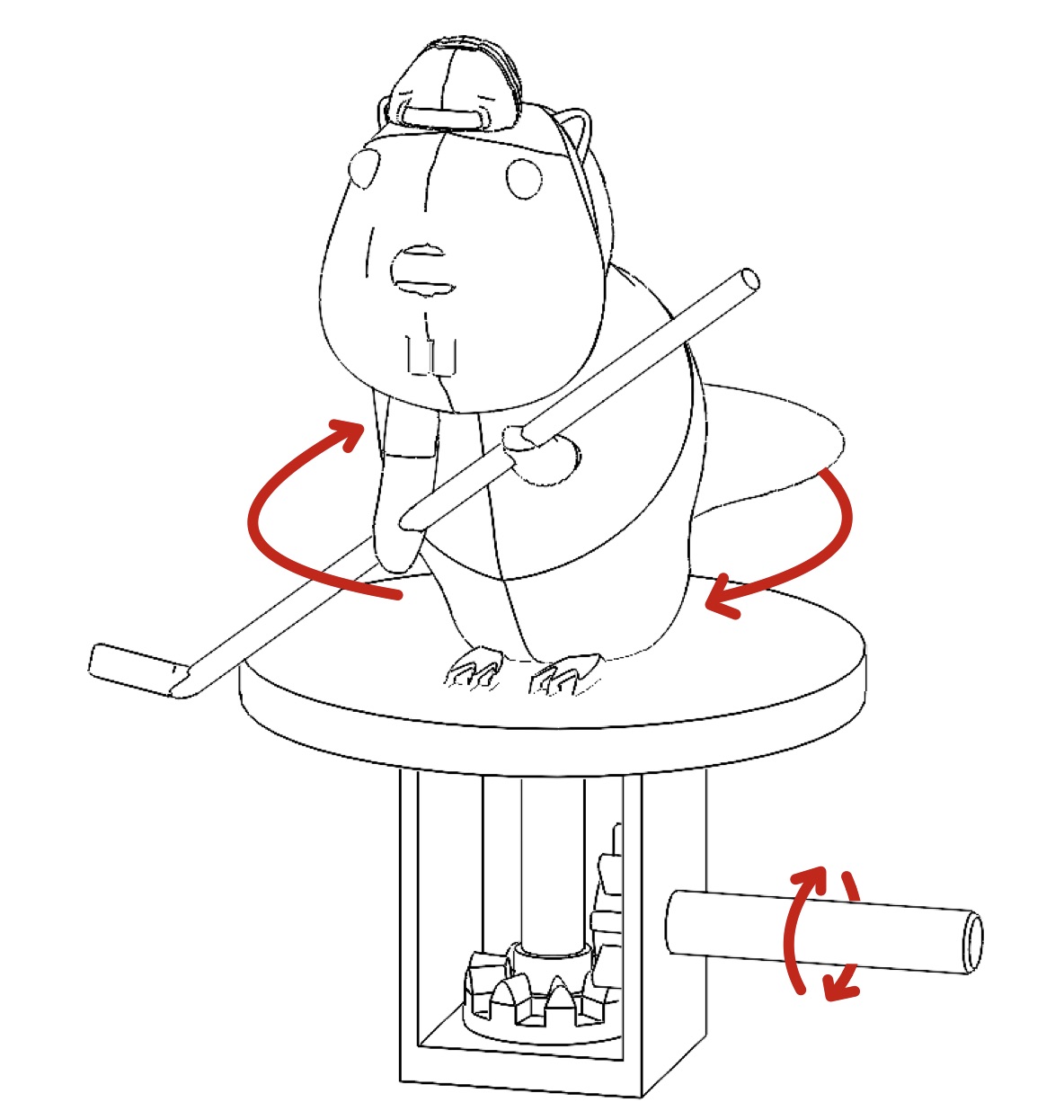
Created a 3D mechanical puzzle using SolidWorks and 3D printing, as part of a five-member design team. The puzzle features a hockey-playing beaver figurine, combining playful aesthetics with functional mechanics.
I led the design of the gear-driven base, integrating perpendicular gears to enable smooth horizontal-to-vertical rotation. This project blended precision engineering with creative problem-solving. See it in action here.
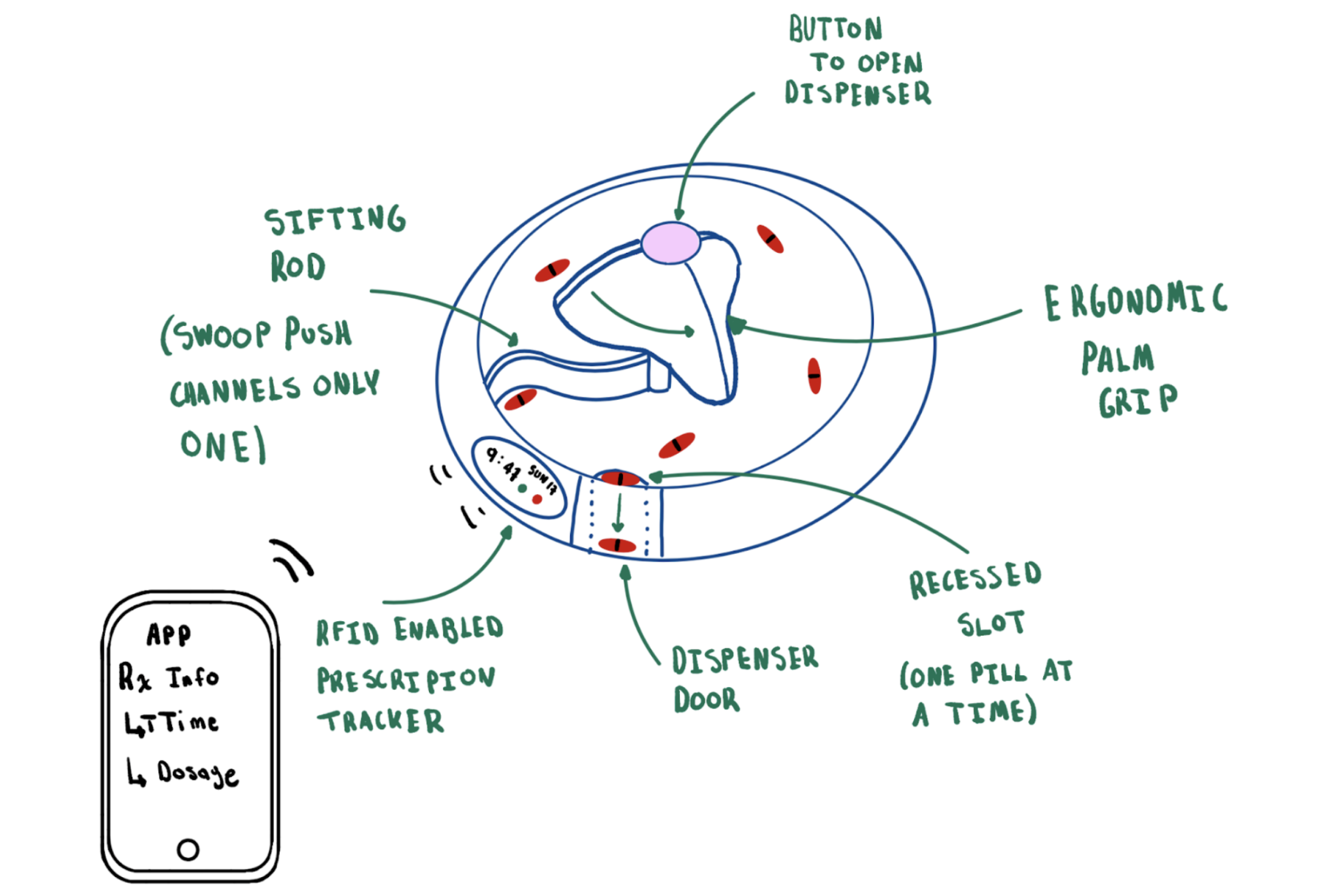
Designed an ergonomic pill bottle for individuals with arthritis, focusing on improved accessibility and ease of use. As part of a six-member team, I led a comprehensive iterative design process involving needs assessment, engineering analysis, prototyping, and user testing.
I also authored two in-depth technical reports documenting methodology, design rationale, and usability outcomes. Learn more here.
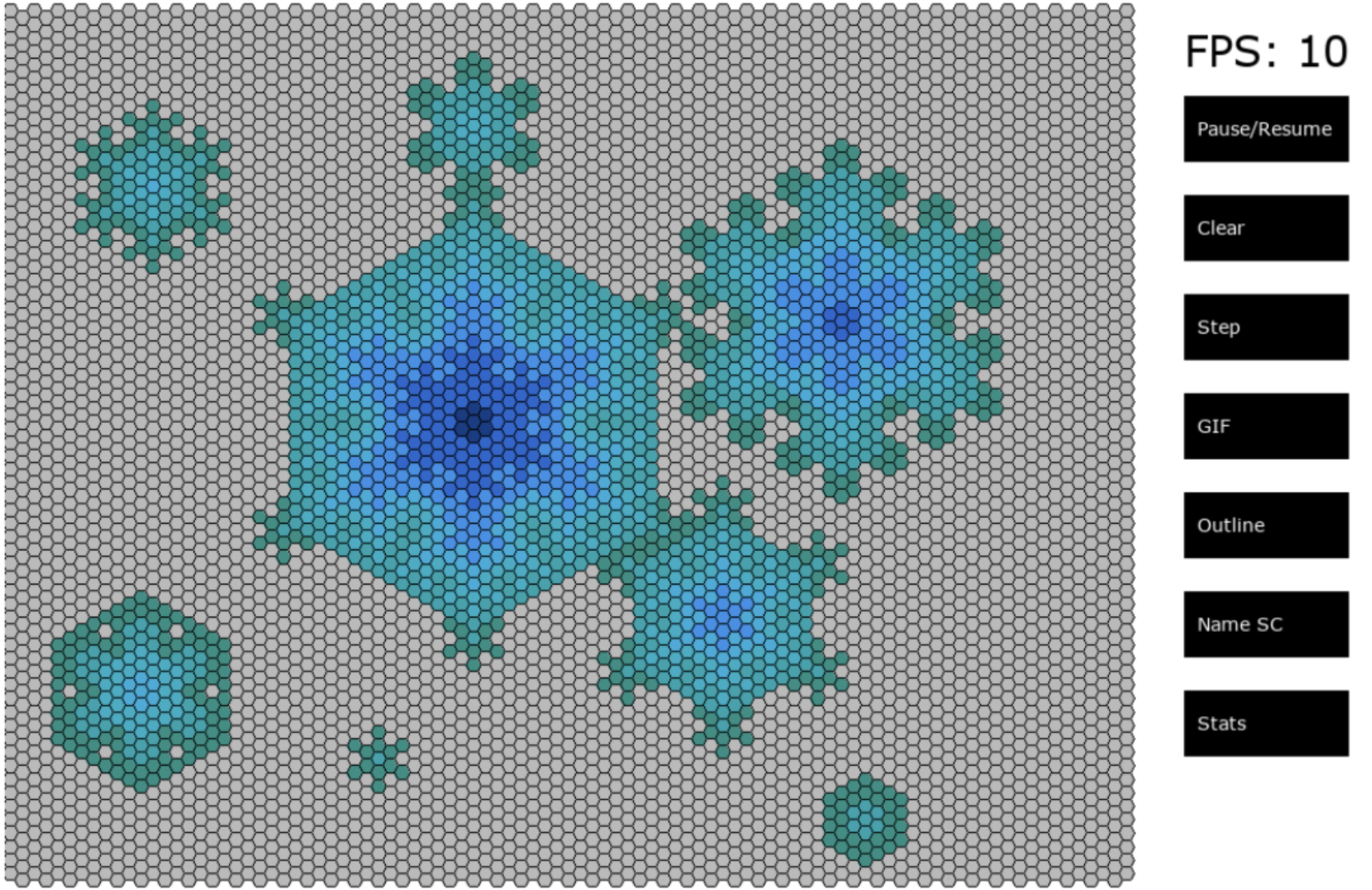
Developed a Game of Life simulation in snowflake form, inspired by Norman Packard’s mathematical model of snowflake replication. Collaborated within a four-member team to build the simulation in Python, using Git for version control and team coordination.
I led the statistical modeling of snowflake generation and created the presentation video explaining the underlying algorithmic concepts. The project earned 1st Place in the French national computer science competition Les Trophées NSI.
Explore the code and documentation on GitHub or watch our presentation video (French).
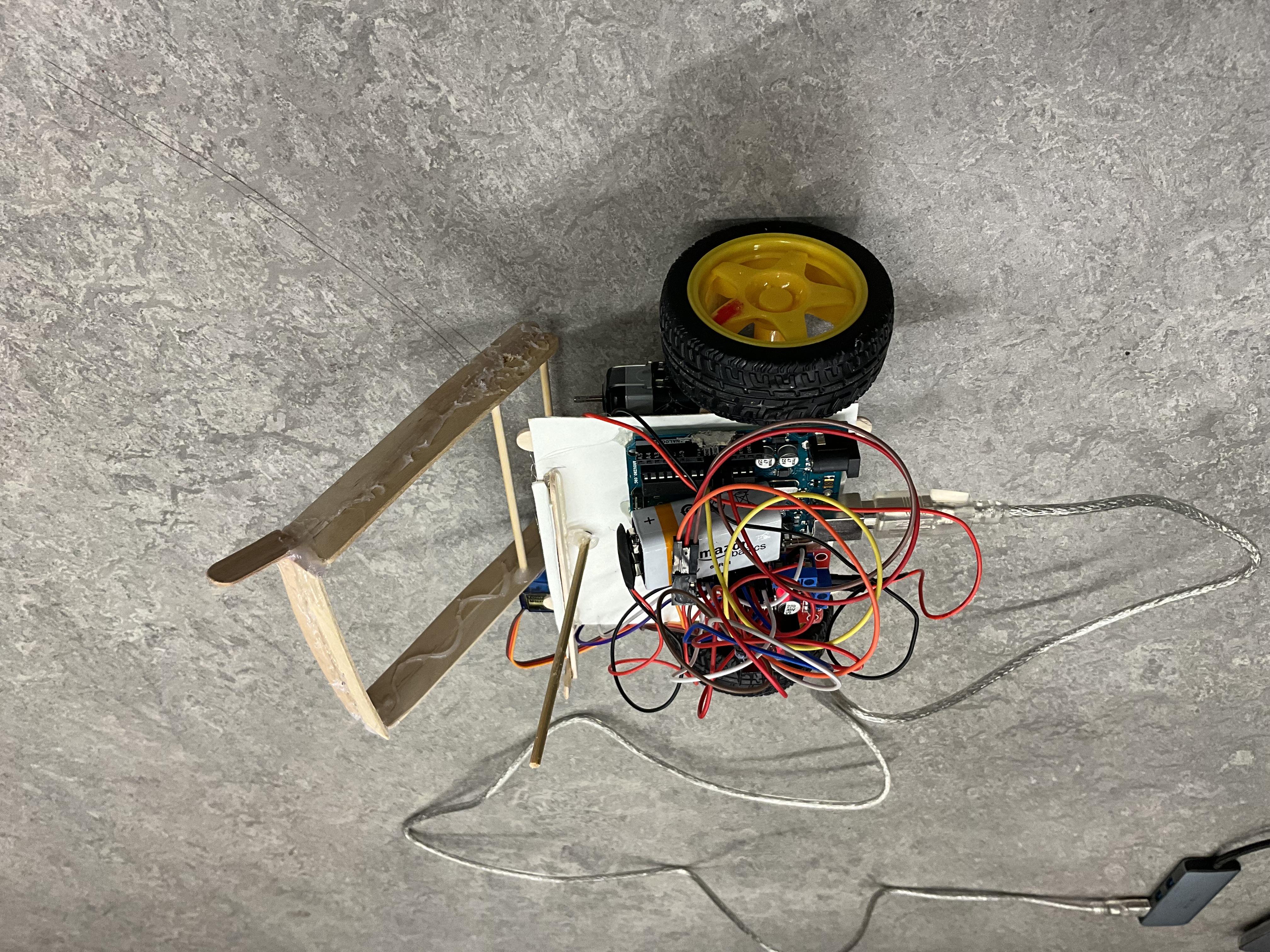
Designed a autonomous garbage collection robot capable of navigating obstacles and retrieving waste, created in a team of three for the Waterloo Engineering Competition. The system featured a two-wheeled, GUI-controlled platform with a rotating arm for object detection and collection.
I contributed to the mechanical design and construction of the robot, as well as the competition pitch. The project earned 2nd Place in the Senior Design Category. See it in action here.
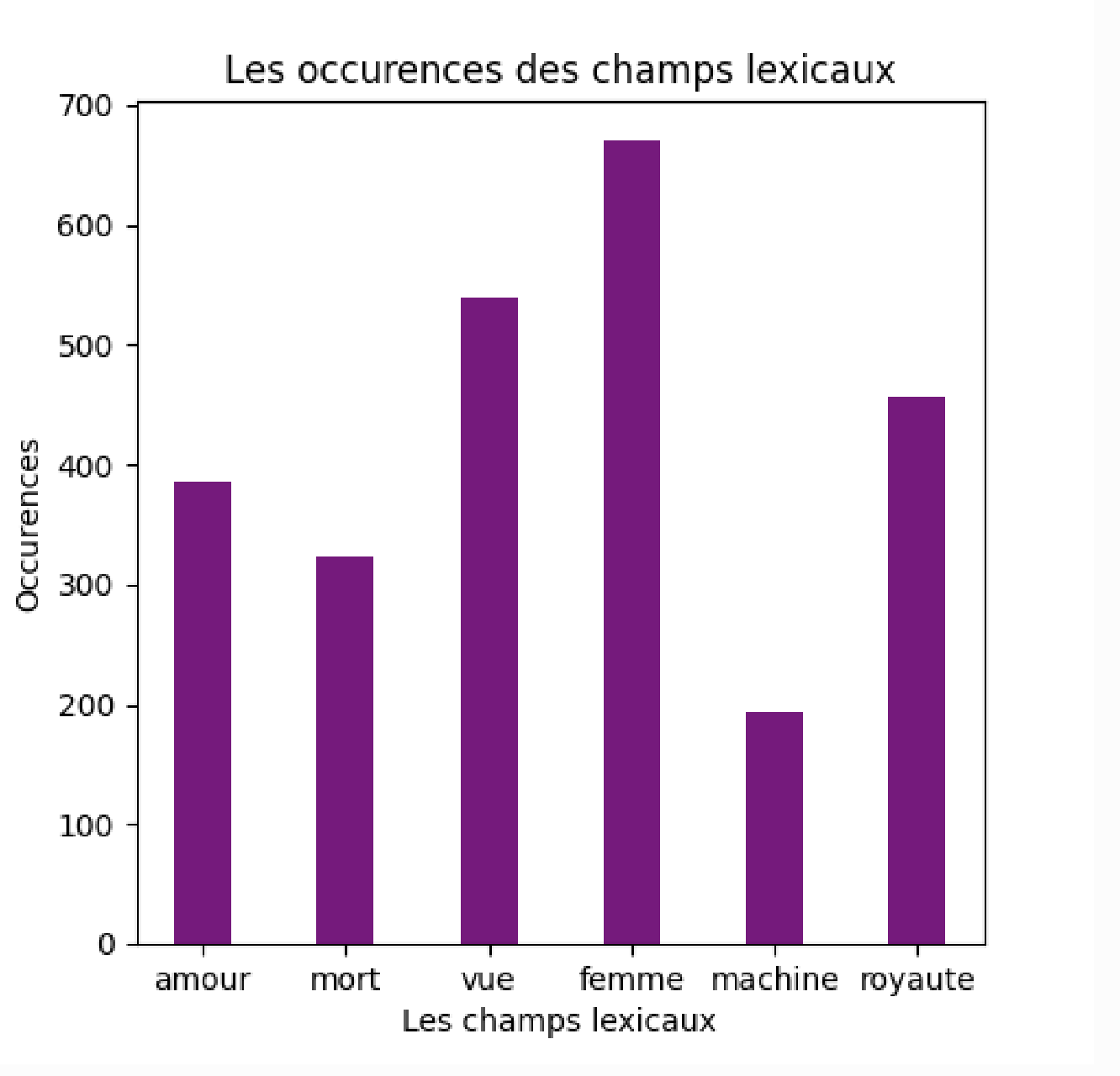
Built a semantic field analysis tool in Python featuring automated web scraping to explore linguistic patterns in literature. Users can input a target word, after which the tool retrieves related terms from a word-family database and analyzes a selected novel to quantify word family occurrences.
Designed to support literary and linguistic research, the tool provides insight into thematic presence and lexical distribution across texts.